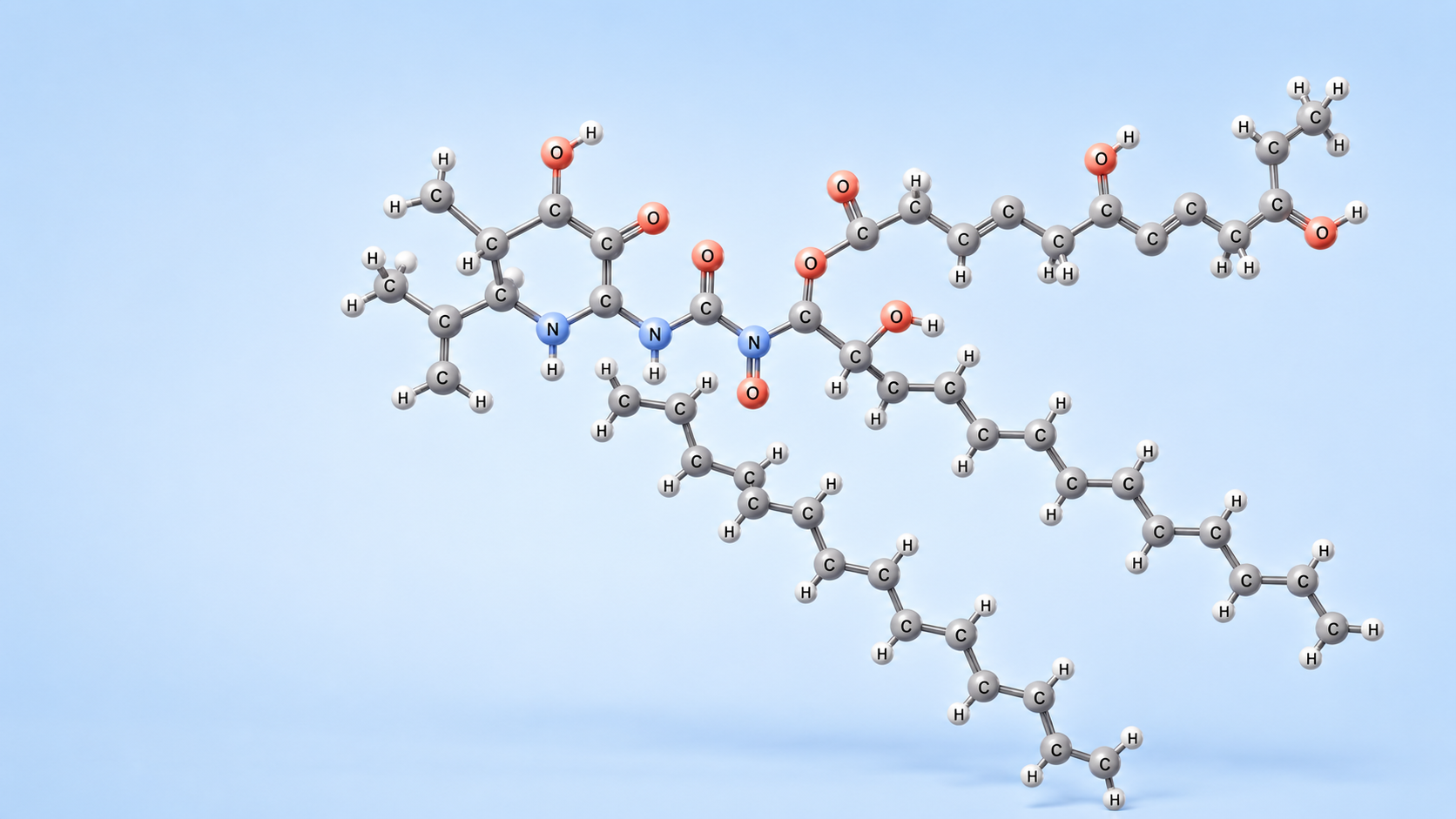
Ceramide EOP (Esterified Omega Hydroxyacyl Phytosphingosine) is a specialized long-chain ceramide that plays a critical role in forming the highly ordered lamellar structure of the stratum corneum. It is distinguished by its unique ester-linked fatty acid chain, which enables stronger intercellular lipid cohesion and enhanced barrier reinforcement. Ceramide EOP is particularly important in maintaining structural integrity and resilience of the skin barrier, making it highly relevant for dry, sensitive, and severely compromised skin.
What Does It Do For The Skin?
04
Improves skin resilience and protection
A strengthened lipid matrix helps protect against environmental stressors, irritants, and pollutants.
05
Enhances long-term hydration performance
By improving structural integrity, Ceramide EOP supports sustained hydration and reduces recurrent dryness.
06
Acts as a reinforcement ceramide in multi-ceramide systems
eramide EOP works synergistically with other ceramides to enhance overall barrier architecture and performance.
01
Supports deep barrier reinforcement and lipid organization
Ceramide EOP contributes to the formation of long, highly ordered lipid lamellae and helps organize intercellular lipid layers within the stratum corneum, strengthening barrier integrity and stability.
02
Reduces transepidermal water loss (TEWL)
Its long-chain structure enhances lipid cohesion, significantly reducing moisture loss and improving hydration retention.
03
Supports repair of severely dry or compromised skin
It is particularly beneficial in restoring barrier function in conditions characterized by lipid deficiency and barrier disruption.
Safety & Tolerability
Ceramide EOP is widely used in cosmetic and dermatological formulations and is considered safe and well tolerated across all skin types, including sensitive and barrier-compromised skin.