

Skin Concern
Very Dry, Rough & Thickened skin
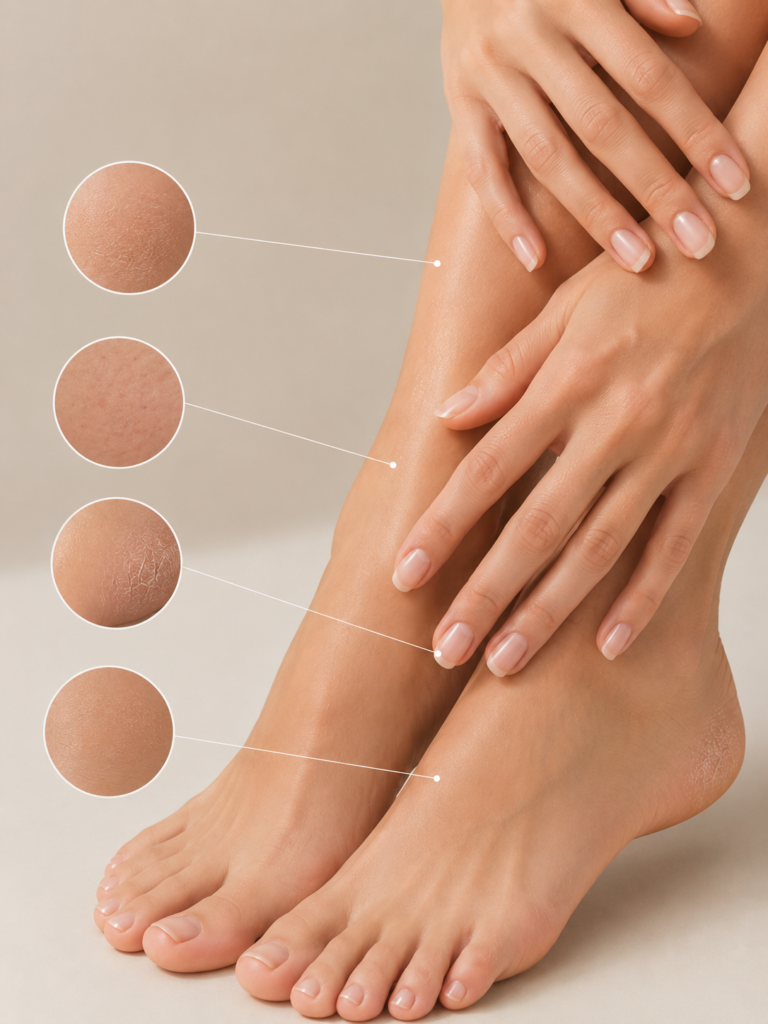
Symptoms
Common Characteristics of Very Dry,
Thickened Skin on Hands & Feet
- Severe Calluses and Thickened Patches: Areas subject to constant mechanical friction and pressure (like the heels, soles, and palms) naturally accelerate cell production as a defensive mechanism. Without adequate exfoliation and moisture, this results in hard, visibly thickened patches of skin.
- Rough, Coarse Texture: A lack of natural sebaceous (oil) glands on the palms and soles means these areas struggle to retain their own moisture. This severe localized lipid depletion leaves the skin feeling highly uneven, coarse, and sandpaper-like to the touch.
- Cracked, Parched Heels and Cuticles: As the thickened stratum corneum on the feet and hands becomes completely dehydrated, it loses all flexibility. The hardened skin can eventually split under the pressure of daily movement, leading to severe, uncomfortable fissures and dry cuticles.
- Compromised Extremity Barrier: The hands are constantly subjected to frequent washing, harsh sanitizers, and environmental elements, which continuously strip away the protective acid mantle and leave the skin highly vulnerable to further moisture loss.
Causes
- The Cause (Mechanical Hyperkeratosis): The palms and soles (glabrous skin) are biologically distinct and programmed to withstand high biomechanical stress. When subjected to repeated mechanical friction or weight-bearing pressure, the skin signals the basal layer to dramatically increase keratinocyte proliferation. This results in a localized overproduction of skin cells (hyperkeratosis)—a thickening of the stratum corneum designed to act as a physical shield. Without adequate water content to keep these densely packed dead cells pliable, they solidify into hard, rigid calluses.
- The Cause (Glabrous Skin Anatomy and Sebaceous Absence): Unlike the skin on the rest of the body, the palms of the hands and soles of the feet completely lack sebaceous (oil) glands. They rely entirely on sweat and internal epidermal lipids for surface lubrication and barrier maintenance. Because they cannot secrete sebum to naturally coat and soften the surface, these areas are inherently vulnerable to extreme, localized lipid depletion. This anatomical lack of natural lubrication leads to high surface friction and an uneven, coarse texture.
- The Cause (Keratin Matrix Embrittlement and Physical Fissuring): The flexibility and stretch of a thickened stratum corneum are entirely dependent on its internal water content. When Trans-Epidermal Water Loss (TEWL) reaches a critical high, the keratin proteins within the accumulated skin cells become completely dehydrated and brittle. As dynamic mechanical forces—such as the heavy impact of walking on the heel or the extreme flexion of fingers—are applied to this rigid, inelastic matrix, the tissue cannot yield. Instead, it mechanically fractures, creating deep structural tears known as fissures.
- The Cause (Surfactant-Induced Lipid Extraction and pH Disruption): The hands endure a uniquely hostile chemical environment due to high-frequency washing and the use of harsh sanitizers. Anionic surfactants and high-alcohol solvents aggressively dissolve and extract the vital intercellular lipids (ceramides, cholesterol, and fatty acids) right out of the stratum corneum. Furthermore, standard alkaline soaps repeatedly strip the skin's acidic surface. This elevated pH temporarily disables the natural enzymes required for epidermal lipid synthesis, leaving the barrier persistently degraded and structurally incapable of retaining moisture.
Treatment
The Xtrimoist Hand & Foot Cream Daily Management Strategy:
A Multi-Pathway Approach
Managing the unique structural challenges of the palms and soles requires a heavy-duty formulation that balances profound exfoliation with intense, occlusive moisture. Here is how the Xtrimoist Hand & Foot Cream targets the core characteristics of this specific skin profile:
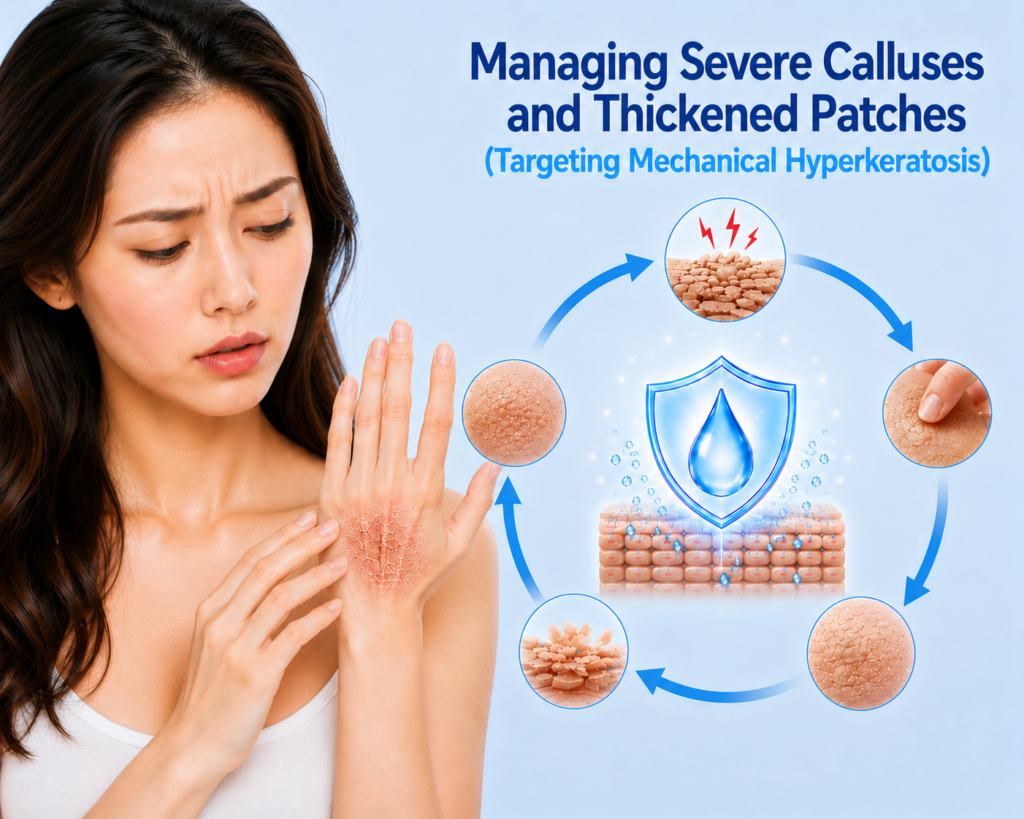
The Approach: The densely packed, hardened dead skin cells need to be chemically softened and gently encouraged to shed without aggressive, damaging physical scraping.
- The Xtrimoist Solution: We deploy our Targeted Smoothing & Softening Complex. The synergistic action of high-purity Urea and Lactic Acid directly addresses cellular buildup. Urea acts as a powerful humectant to hydrate and soften the rigid keratin matrix, while Lactic Acid gently breaks down the bonds holding dead cells together, visibly reducing the thickness of calluses over time.
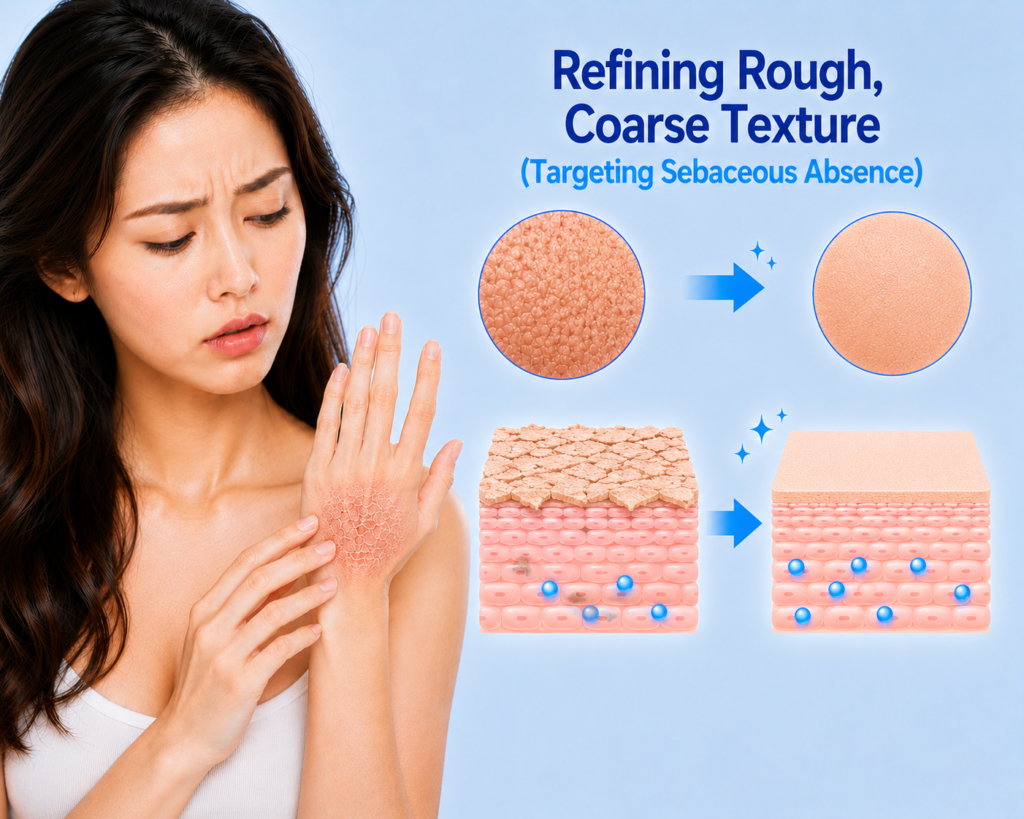
The Approach: Because the palms and soles lack natural oil glands, they require profound external lipid replenishment to compensate for this biological deficit and restore a smooth texture.
- The Xtrimoist Solution: The formula utilizes Deep Botanical Nourishment featuring Shea Butter, Coconut Oil, and Caprylic/Capric Triglyceride. These rich, deep-conditioning emollients mimic the missing natural surface lipids, sinking into the coarse, uneven skin to restore softness and eliminate the sandpaper-like feel.
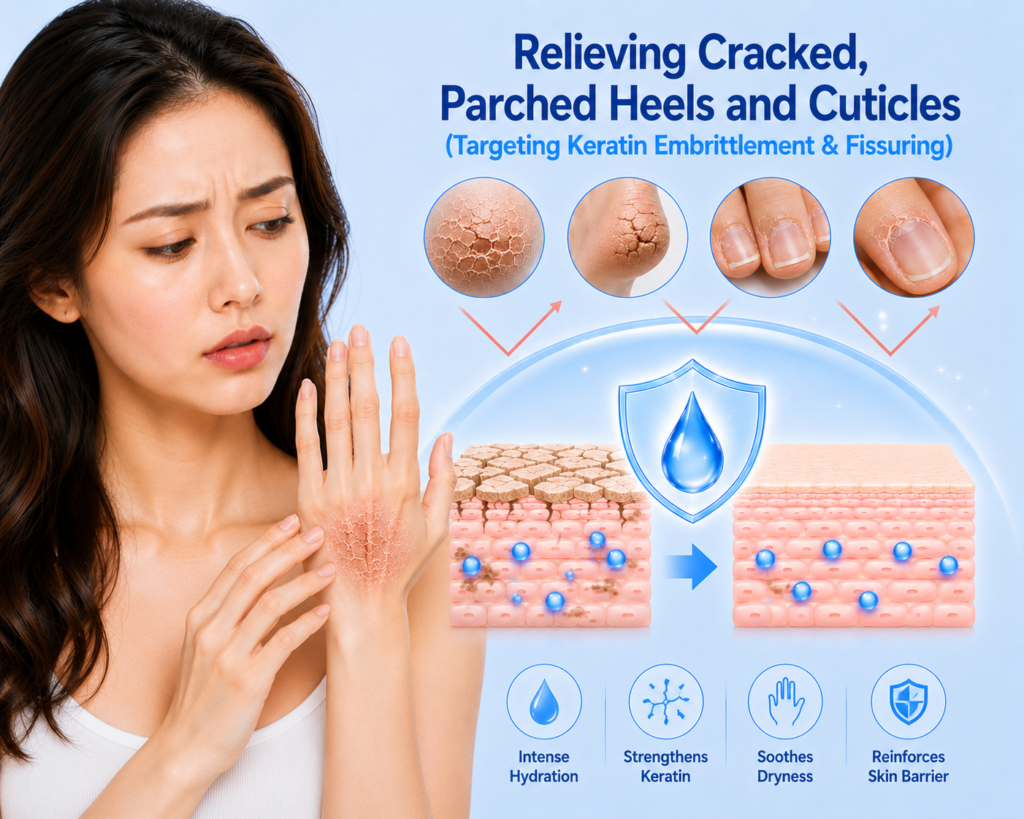
The Approach: Severely dehydrated, inflexible skin splits under physical pressure. To restore elasticity and prevent the tissue from tearing, the skin must be intensely rehydrated and hermetically sealed.
- The Xtrimoist Solution: We apply a clinical-grade Heavy-Duty Moisture Shield. Occlusives like Petroleum Jelly, Light Liquid Paraffin, Microcrystalline Wax, and Dimethicone form a robust, breathable seal over the skin. This immediately halts Trans-Epidermal Water Loss (TEWL), locking in Glycerine-bound moisture to restore structural flexibility and comfort deeply parched heels and dry cuticles.
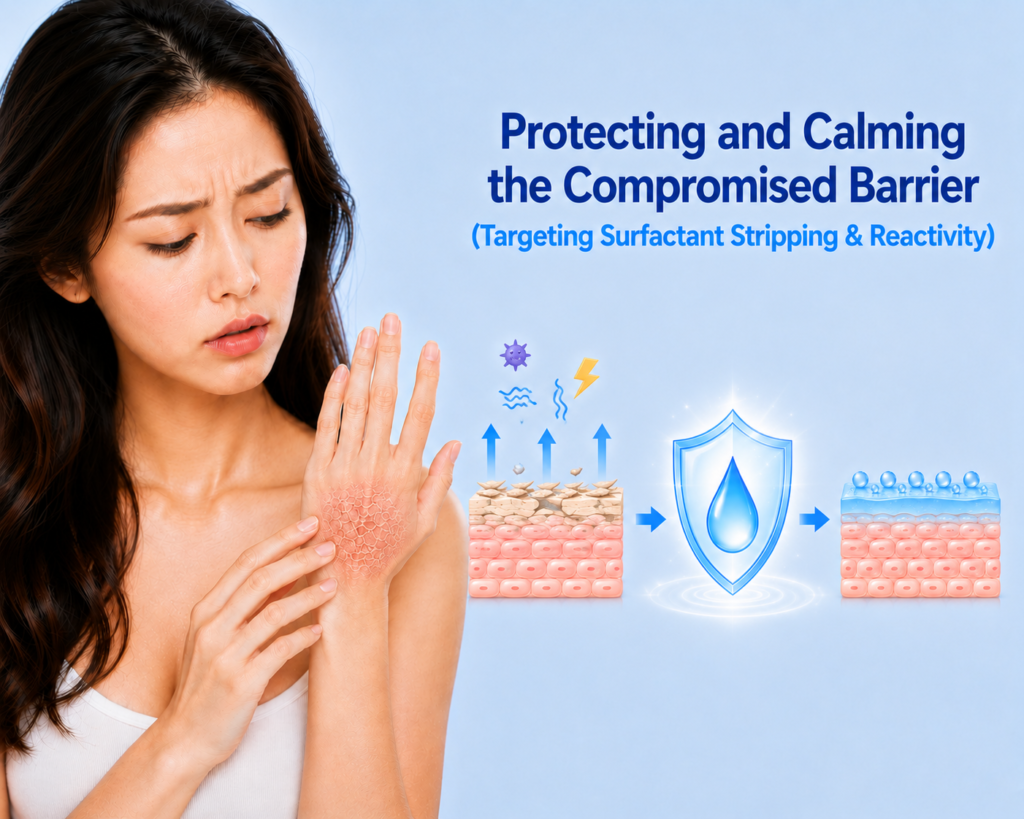
The Approach: Hands and feet subjected to harsh washing, sanitizers, and daily environmental stress need a clean, highly protected, and soothed environment to recover their barrier function.
- The Xtrimoist Solution: The cream is enriched with a specialized Purifying & Soothing Care Blend. By combining the naturally purifying properties of Tea Tree, Neem, and Turmeric Oils with the profound calming effects of Bisabolol, Allantoin, and D-Panthenol (Pro-Vitamin B5), the formula actively buffers the skin against everyday friction, supports a hygienic surface environment, and rapidly soothes daily reactivity.