

Skin Concern
Advanced Skin
Tone Renewal
Symptoms
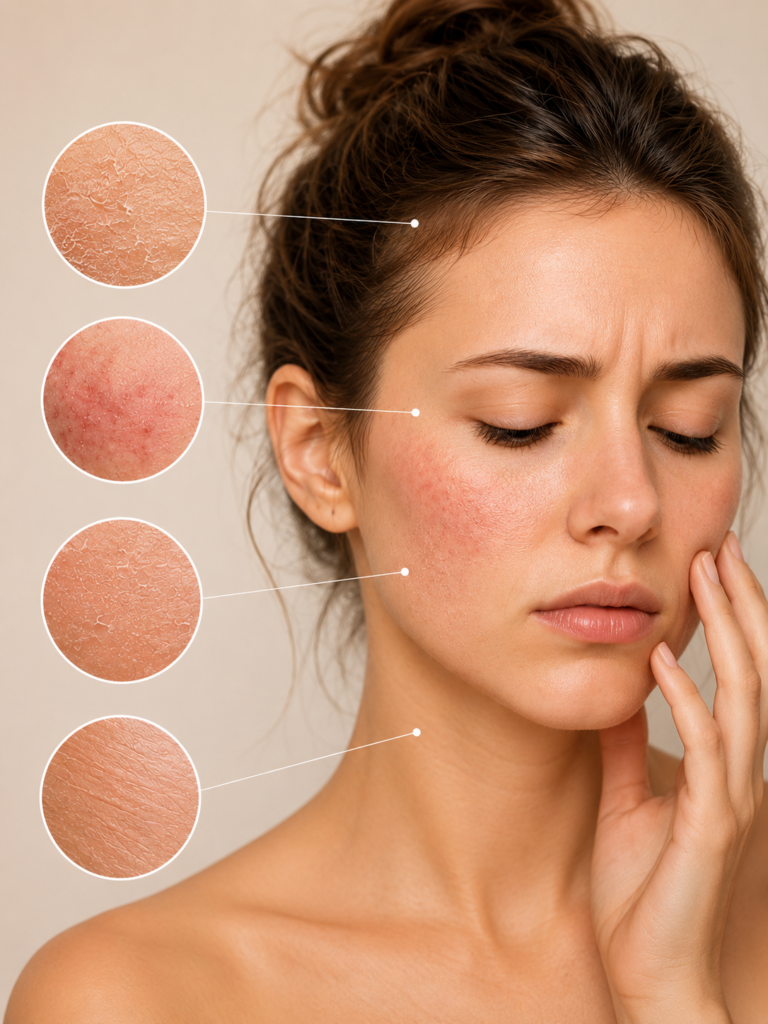
Common Characteristics of Acanthosis Nigricans Skin Imperfections
- Hyperpigmentation and Darkened Skin Tone: Affected skin areas undergo visible darkening, turning brown, velvety black, or deeply pigmented. This is most prominent in intertriginous zones like the neck, armpits, groin, and knuckles
- Epidermal Thickening and Velvety Texture: The skin loses its normal smoothness, becoming visibly raised, thickened, and acquiring a characteristic soft, leathery, or “velvety” feel
- Surface Dryness and Dehydration: Thickened, hyperkeratotic patches struggle to maintain proper moisture balances, leaving the affected regions feeling chronically parched, rough, and dry
- Coarse Textural Irregularities and Roughness: The buildup of dense, un-shed cellular layers creates prominent skin lines, exaggerated skin creases, and a coarse surface appearance.
- Friction-Induced Irritation and Sensitivity: Because these imperfections typically manifest in areas where skin rubs against skin or clothing, the affected regions are frequently prone to localized chafing, heat retention, and low-grade surface sensitivity.
Causes
- The Cause (IGF-1 Receptor Activation & Melanocyte Stimulation): Acanthosis Nigricans is fundamentally driven at the cellular level by systemic factors—most commonly hyperinsulinemia (insulin resistance). High circulating levels of insulin cross the dermal-epidermal junction and cross-react with Insulin-like Growth Factor-1 (IGF-1) receptors on dermal fibroblasts and epidermal keratinocytes. This triggers abnormal cell proliferation. Simultaneously, localized metabolic shifts stimulate melanocytes to overproduce melanin, which gets trapped within the rapidly expanding epidermal layers, presenting visually as dark, symmetric hyperpigmentation.
Reference: Acanthosis Nigricans – StatPearls, NCBI Bookshelf
The Cause (Epidermal Hyperplasia & Acanthosis): The binding of excess insulin and growth factors to epidermal receptors accelerates the cellular lifecycle, causing rapid, uncontrolled division of keratinocytes in the stratum spinosum layer. This biological over-expansion is known as acanthosis. As cells multiply faster than they can naturally mature and shed, the entire epidermal architecture elongates, forming microscopic undulating folds that project onto the surface as a thickened, velvety, or plaque-like texture.
Reference: An approach to acanthosis nigricans – Indian Journal of Dermatology (via PMC)
The Cause (Impaired Stratum Corneum Hydration): In hyper-proliferative skin states, the normal assembly of the intercellular lipid matrix (the skin's protective "mortar") is severely altered. The cells move to the surface prematurely without synthesizing a complete, functional barrier of ceramides and fatty acids. This structural defect allows moisture to slip away easily via Trans-Epidermal Water Loss (TEWL), leaving the outer layers intensely parched despite the skin being abnormally thick and dense.
Reference: Acanthosis Nigricans: Causes, Diagnosis, and Treatment – DermNet
- The Cause (Mechanical Hyperkeratosis & Cohesive Retention): Because the affected skin folds experience perpetual mechanical friction, the basal layer kicks into a defensive overdrive, piling on extra keratin proteins. Concurrently, the normal enzymatic detachment of dead skin cells (desquamation) fails due to local dehydration. These sticky, premature corneocytes accumulate tightly inside skin creases, hardening into a coarse, leathery layer with deeply exaggerated, bark-like skin lines.
Reference: Acanthosis nigricans: a practical approach to evaluation and management – PubMed
- The Cause (Intertriginous Micro-Inflammation): The dark, thickened folds create an occlusive environment that traps heat, sweat, and moisture. Continuous physical movement causes micro-abrasions along the raised, coarse surfaces. This mechanical chafing breaches the surface barrier, allowing superficial sweat salts and environmental stressors to irritate open pathways, triggering low-grade localized vasodilation and a stinging, sensitive sensation.
Reference: Association of acanthosis nigricans and skin tags with insulin resistance – SciELO
Treatment
The Xtrimoist AN Management Strategy: A Multi-Pathway Approach
Managing Acanthosis Nigricans imperfections effectively demands a formula that balances active chemical exfoliation with targeted pigment normalization, deep emollience, and protective calming agents . Here is how the Xtrimoist AN formula systematically corrects the profile:
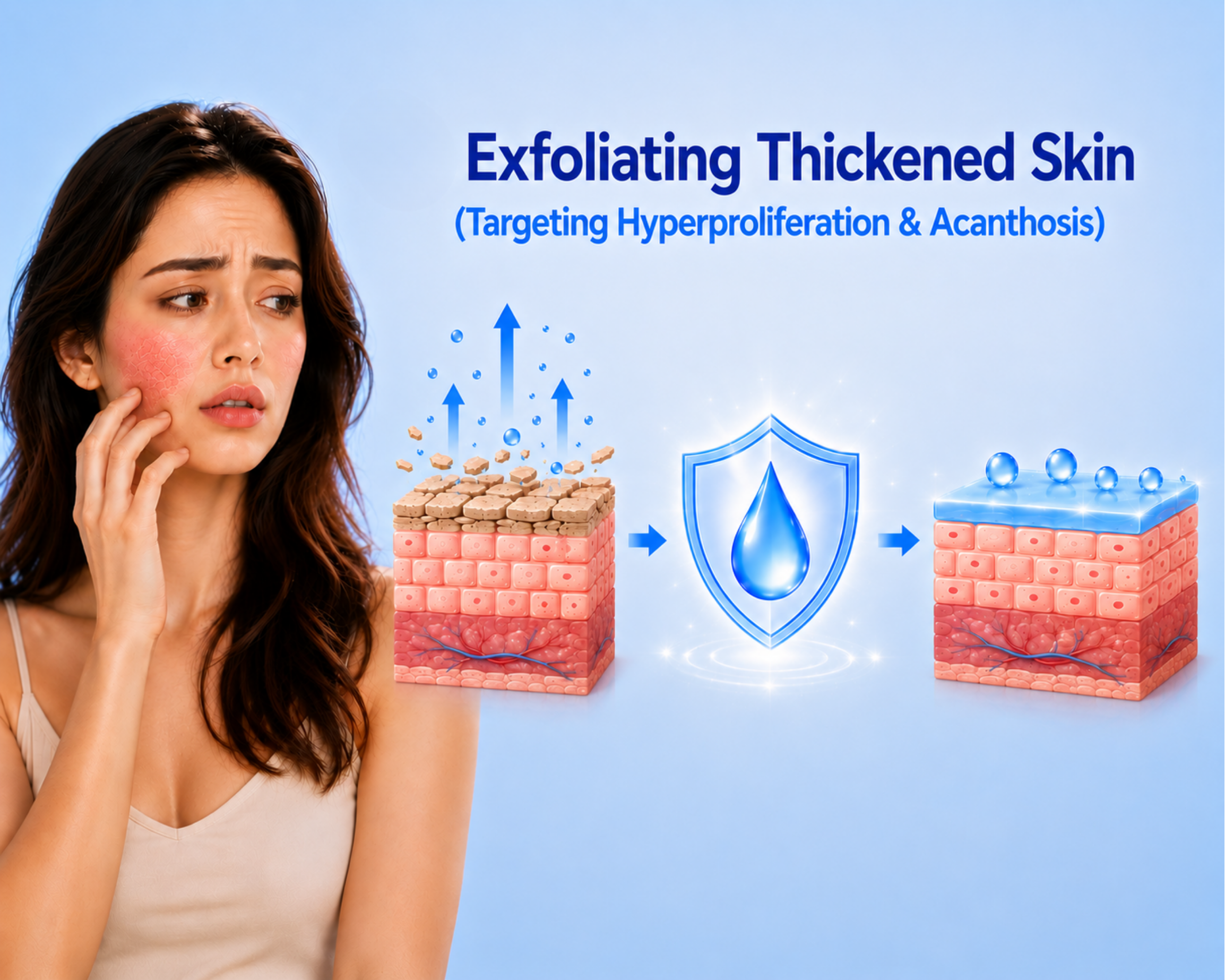
The Approach: To eliminate the raised, velvety plaques, the dense structural bonds holding the accumulated dead cells together must be broken down, accelerating cellular renewal.
- The Xtrimoist AN Solution: The cream deploys a powerful Triple-Active Keratolytic Complex combining Urea, Lactic Acid, and Retinol. Urea serves to intensely soften the hardened, rigid keratin proteins; Lactic Acid (an AHA) works gently to dissolve the cellular “glue” between bound cells; and Retinol stimulates normal cell turnover at the basal layer. Together, they clear away the thick, raised layers to uncover a flatter, renewed skin surface.
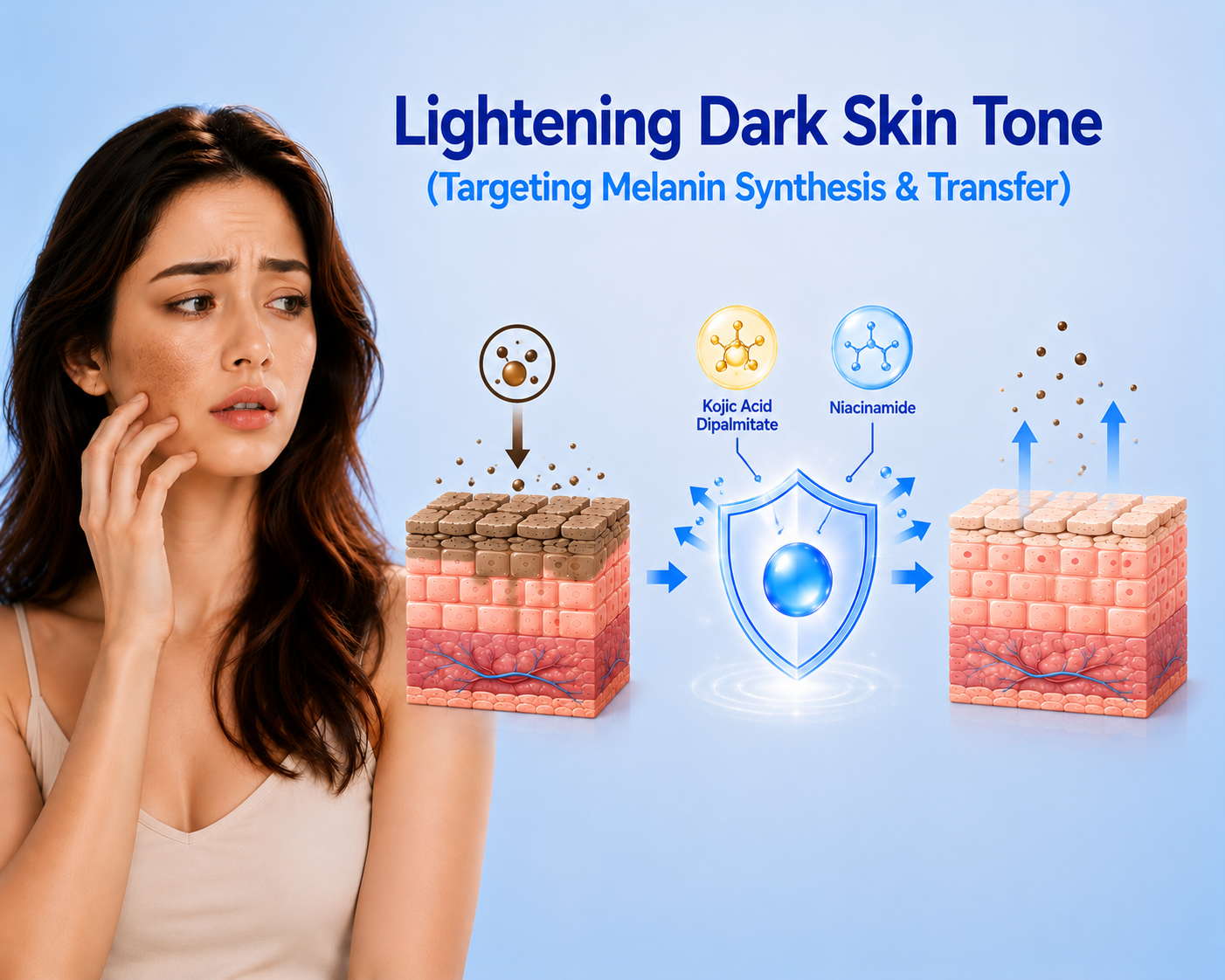
The Approach: Visibly fading dark patches requires inhibiting the internal enzymatic pathways that produce excess pigment and stopping its migration into surface cells.
- The Xtrimoist AN Solution: The formula leverages a synergistic Advanced Tone-Correcting Duo of Kojic Acid Dipalmitate and Niacinamide. Kojic Acid directly targets and limits tyrosinase activity (the enzyme responsible for melanin production), while Niacinamide blocks the transfer of existing pigment into the surrounding keratinocytes. This combined action actively lightens the dark skin tone and evens out hyperpigmentation over time.
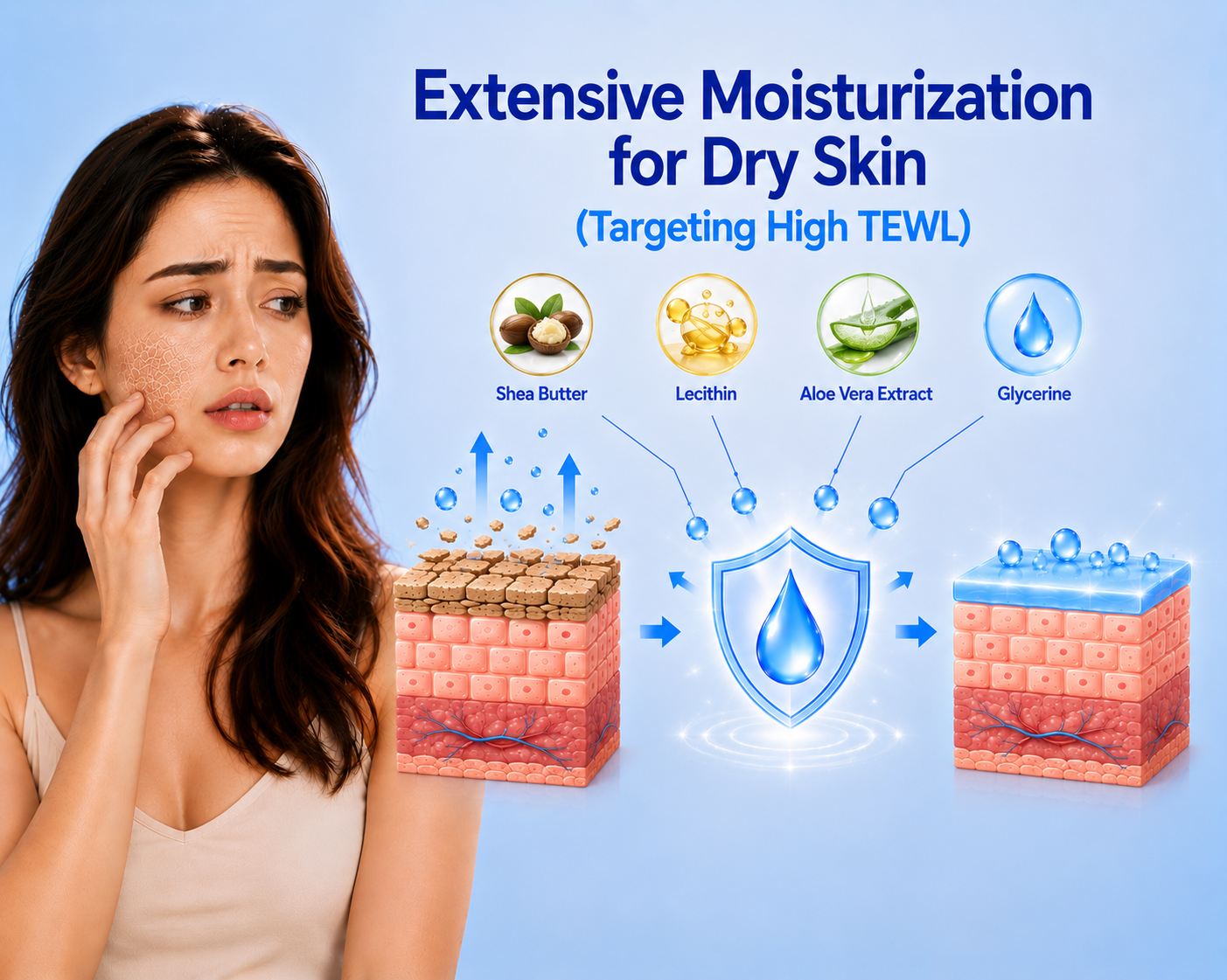
The Approach: Exfoliated and thickened skin requires a massive influx of water-binding molecules alongside structural repair agents to halt rapid surface dehydration.
- The Xtrimoist AN Solution: Infused with a Deep Hydro-Lock Blend of Shea Butter, Lecithin, Aloe Vera Extract, and Glycerine. Glycerine floods the dehydrated corneocytes with moisture, while Shea Butter and Lecithin bio-mimetically repair the lipid matrix, locking in hydration to instantly eradicate chronic surface dryness and restore a soft, flexible feel.
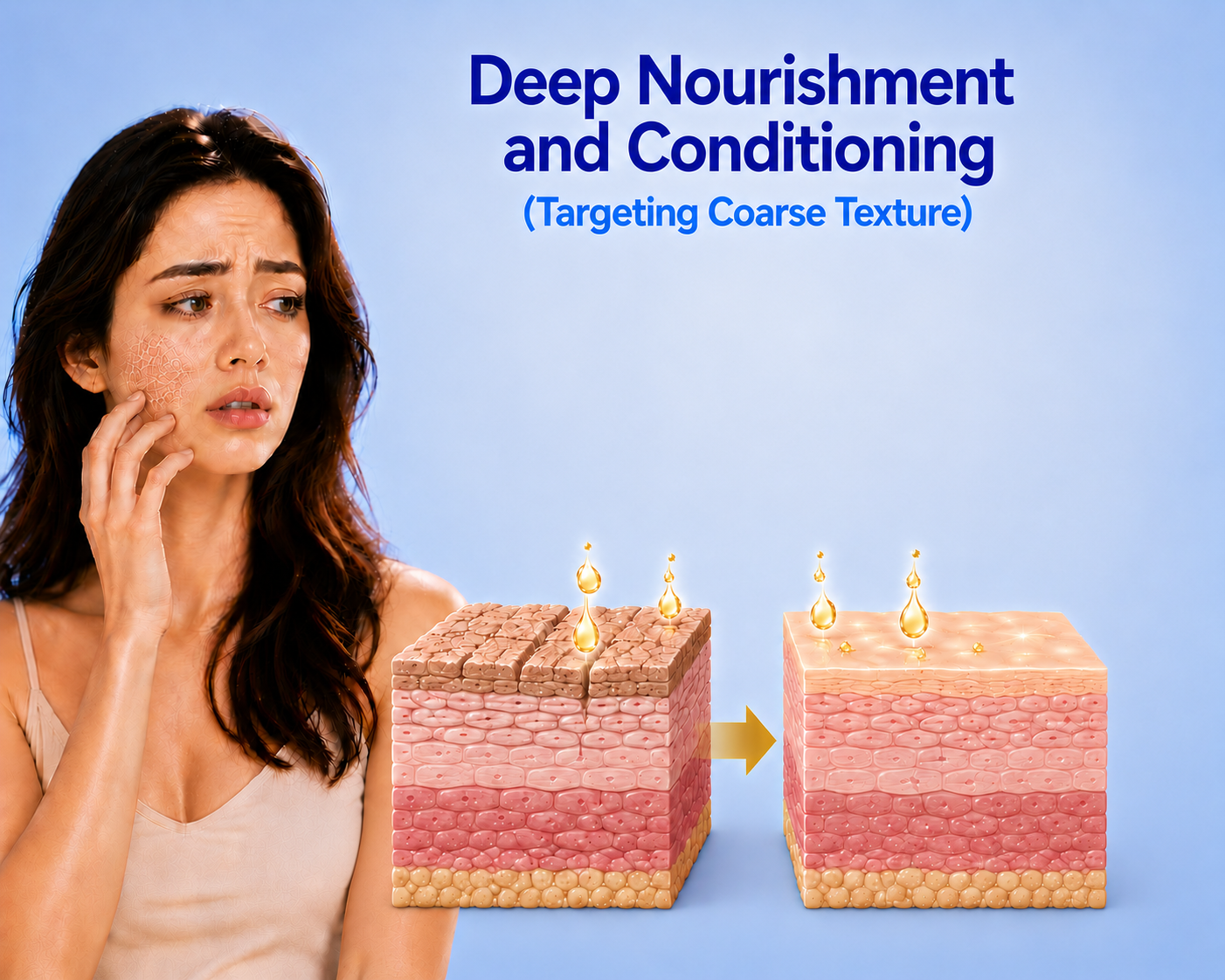
The Approach: Exaggerated creases and rough, sandpaper-like patches need deep-sinking lipid replenishment to fill structural micro-gaps and smooth out tough surface contours.
- The Xtrimoist AN Solution: Utilizing an Essential Nutritive Emollient Base rich in Almond Oil, Jojoba Oil, and Caprylic Capric Triglyceride. These high-purity botanical oils closely mirror natural skin lipids, sinking effortlessly into coarse areas to provide profound conditioning, smooth out irregular surface textures, and soften deep lines.
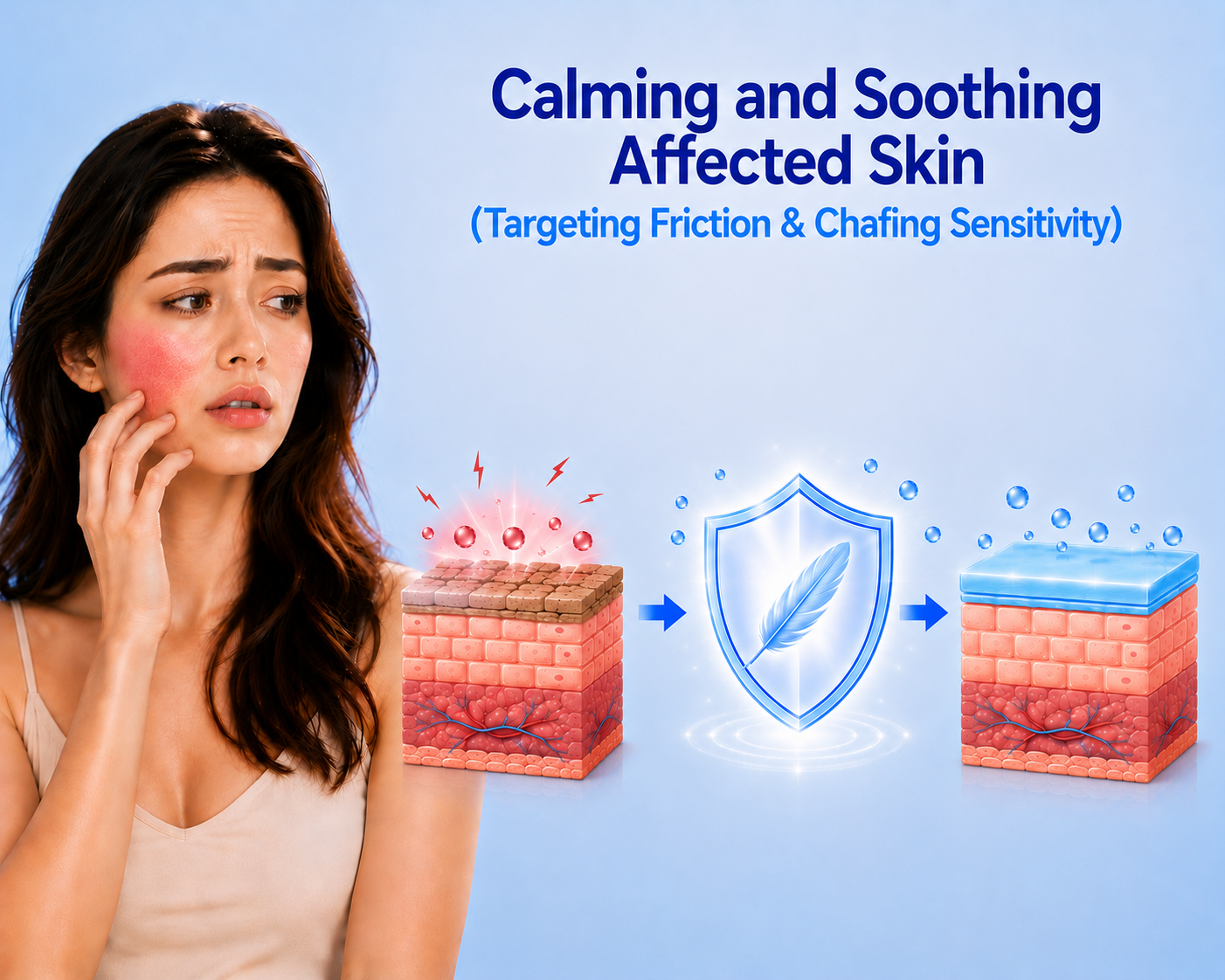
The Approach: Skin folds subjected to high friction require a non-disruptive, soothing layer to downregulate surface reactivity, reduce warmth, and shield the skin from irritation.
- The Xtrimoist AN Solution: The formulation incorporates a Targeted Dermal Soothing Network consisting of Bisabolol, Allantoin, Aloe Vera, and a cooling touch of Camphor. This calming blend instantly intercepts friction-induced sensitivity, rapidly comforts chapped or raw skin surfaces, and introduces a refreshing, cooling relief to overheated folds.